
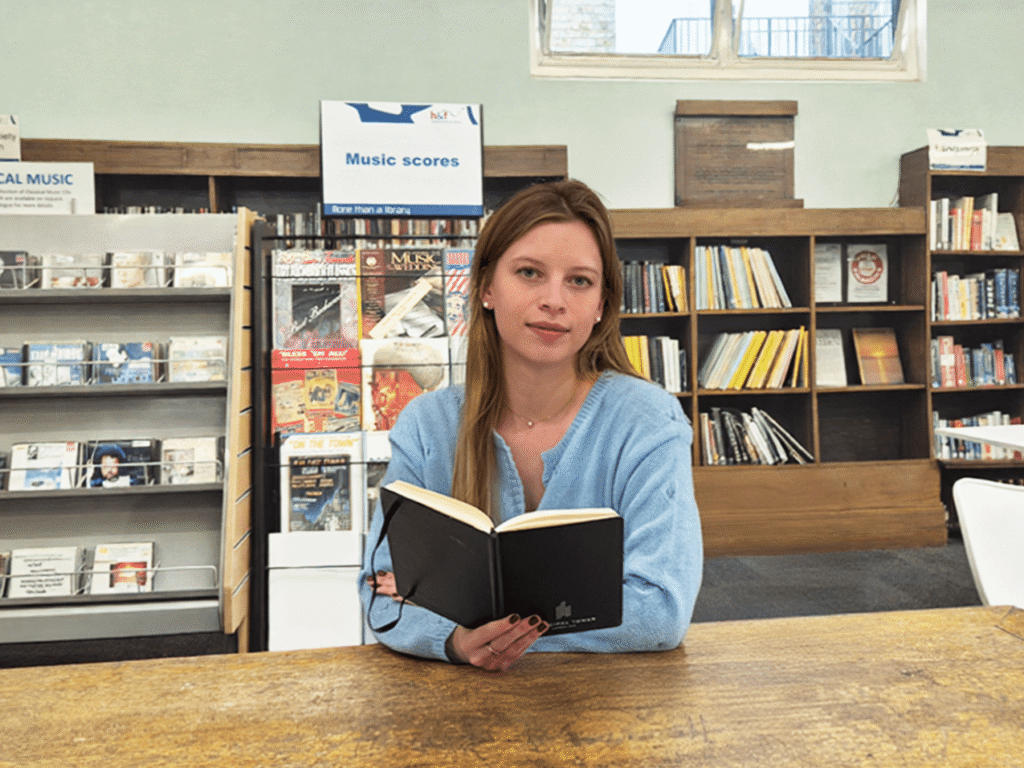
Thursday evening at Fulham Library. I’d structured the discussion around a question that’s been bothering me whilst writing Project Mirror: do we ever stop performing, even when alone?
The answer came through extended silences that revealed more than any prepared response could have.
I’d prepared questions about digital self-presentation, algorithmic beauty, the performance of authenticity. What actually happened: I asked people to identify the last thing they did with zero possibility of becoming content, and the room went silent.
Not thoughtful pause silent. Genuinely can’t answer silent.
Someone finally spoke. Said they’re always arranging themselves, even alone. Don’t remember what relaxed feels like. That broke something open. People started admitting things I don’t think they’d planned to admit.
The library setting did work I hadn’t anticipated. Public but not commercial. Nobody performing for Instagram, nobody selling books at the door. That stripped away a layer of performance that would’ve stayed intact in a bookshop or café.
I read the scene where my protagonist discovers she’s been modified without realising it. Expected discussion about consent, about aesthetic technology, about speculative futures. Instead people immediately connected it to Zoom filters and professional presentation requirements. The dystopia wasn’t future, it was Tuesday morning video calls.
What surprised me most: the pauses. I kept wanting to fill them. Prepared follow-up questions, segues, ways to keep momentum. Then decided to just sit with the discomfort. Those silences revealed more than any smooth facilitation would have.
Someone argued that self-improvement has become corporate control disguised as individual responsibility. I asked where self-improvement ends and self-erasure begins. Nobody had clean answers. Good.
I’m used to controlling narrative. Fiction lets you revise until every sentence does exactly what you want. Discussions don’t work that way. You release control and follow where people actually need to go rather than where you outlined.
Thursday went somewhere more honest than my outline. Several people asked for another session on the memory modification subplot. I said yes before fully thinking through logistics, which probably means it matters.
One person stayed after to say the evening made them uncomfortable in a necessary way. That felt right. This wasn’t about reassurance. It was about articulating what feels wrong before we’ve fully named it.
What I’m still thinking about: how many people genuinely couldn’t identify a private moment. Not “didn’t want to share.” Couldn’t locate one. The internal audience has moved so far inside that even imagination is performed.
Writing about this phenomenon is one thing. Watching people realise they’re living it is different.
More sessions coming. Different libraries, same questions. Trying to create space for admissions that don’t fit neatly into Instagram captions or LinkedIn posts.
If you were there, thank you for the honesty. If you’re reading this thinking you should have come, there will be more. Working out details now.
Posted from London, where Thursday’s discussion went nowhere near where I’d planned.
— Writer Julia Zolotova
