
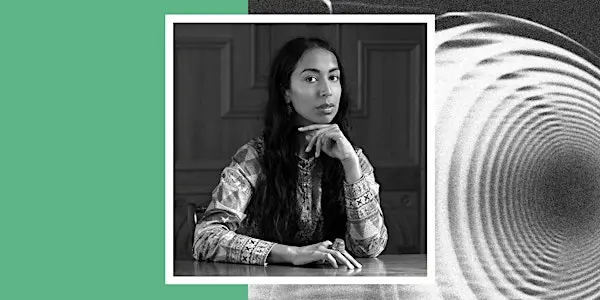
Thursday evening at Beveridge Hall felt electric. Amia Srinivasan’s “The Impossible Patient” wasn’t just another academic lecture—it was intellectual archaeology of our current political moment.
Srinivasan approached the podium with that quiet confidence you recognize in serious thinkers. Her premise? Political theorists are turning back to Freud not for nostalgia, but for tools. Repression, fantasy, libido, death drive—these aren’t museum pieces. They’re diagnostic instruments for understanding authoritarian strongmen and anti-democratic populism.
What struck me wasn’t her analysis of our political conjuncture—though calling it “genocidal war” landed with uncomfortable precision. It was her core question: does psychoanalysis merely describe the world, or can it change it?
As someone who navigates both creative and business worlds, I recognize this tension. We analyze market psychology, brand positioning, consumer desire. But do these insights transform systems or just help us work within them more effectively?
Srinivasan’s approach reminded me why literature matters beyond entertainment. Fiction excavates unconscious patterns that political science misses. When you write character psychology, you’re essentially doing what she described—mapping how fantasy and displacement shape reality.
Her mention of subjects ranging from free speech to octopuses made perfect sense. Good cultural critics don’t stay in academic lanes. They follow ideas wherever they lead.
The most compelling moment came during Q&A. Someone asked about practical applications. Srinivasan’s response was measured—psychoanalytic insights about political behavior don’t automatically generate solutions. But understanding unconscious motivations changes how you approach persuasion, narrative, even policy design.
This resonates with anyone building brands or crafting content. You can map consumer psychology extensively, but translating insights into effective strategy requires entirely different skills.
Walking out into December London air, I kept thinking about her phrase “strange workings of the unconscious.” We live in times when surface explanations feel insufficient. Political movements, consumer choices, cultural shifts—the visible motivations often miss deeper currents.
For writers, this creates both opportunity and responsibility. Literature has always been psychology by other means. But in periods of political upheaval, that role becomes more urgent.
— Writer Julia Zolotova
