
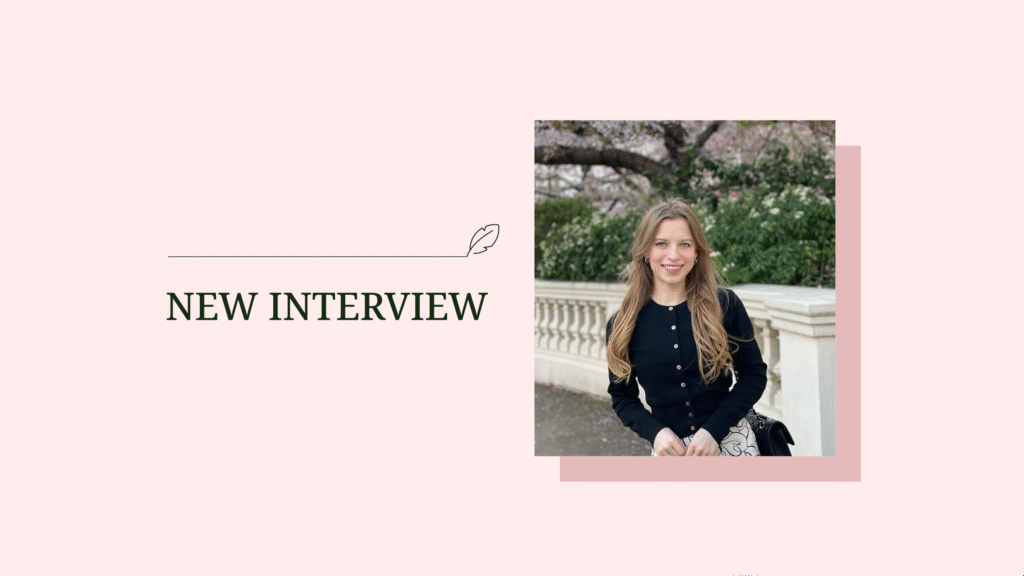
Literary Titan published an interview with me yesterday about The Influencer’s Canvas, and reading my own answers back felt strange. Like watching yourself on video and noticing all the gestures you didn’t know you make.
The interviewer asked how the book came about. I explained what I’ve been observing for years: people drop their guards completely when you’re holding their hands. The hour in my chair becomes confession time, and their online personas dissolve. X, my nail artist protagonist, collects those unguarded moments.
What I didn’t say in the interview, but should have: writing this book made me complicit in the same performance I’m critiquing. I’m documenting people’s private vulnerabilities whilst they trust me professionally. The nail studio becomes both sanctuary and surveillance.
The question about what fascinates me got closer to something real. The performance of authenticity. We’ve turned “being real” into a brand strategy. People curate their vulnerability for engagement. That tension between genuine connection and strategic self-presentation feels universal now, not just online.
I told them I hope readers question the difference between connection and performance in their own lives. That the real target isn’t individual influencers but the systems turning relationships into metrics. True enough. But I’m also writing these systems because they’re profitable to write about. The critique generates its own content.
They asked about Project Mirror, my current work. I described algorithmic beauty, neural aesthetic systems, faces that get software updates. What unsettles me is how plausible it feels. We’re already filtering ourselves in real-time. The dystopia is conservative compared to where we’re heading.
What I didn’t mention: researching this book means I’m constantly consuming the content I’m supposedly critiquing. Scrolling through filtered faces to understand filter culture. Becoming the algorithm’s ideal user whilst writing about algorithmic control.
The interview is good press. It positions the work correctly, hits the right themes. But reading it back, I notice what’s missing. The ambivalence. The awareness that I’m part of what I’m documenting. The uncomfortable truth that critique and complicity aren’t opposites.
Read the full interview here: https://literarytitan.com/2025/09/23/153108/
Posted from London, where every interview answer is also a performance.
— Writer Julia Zolotova
