
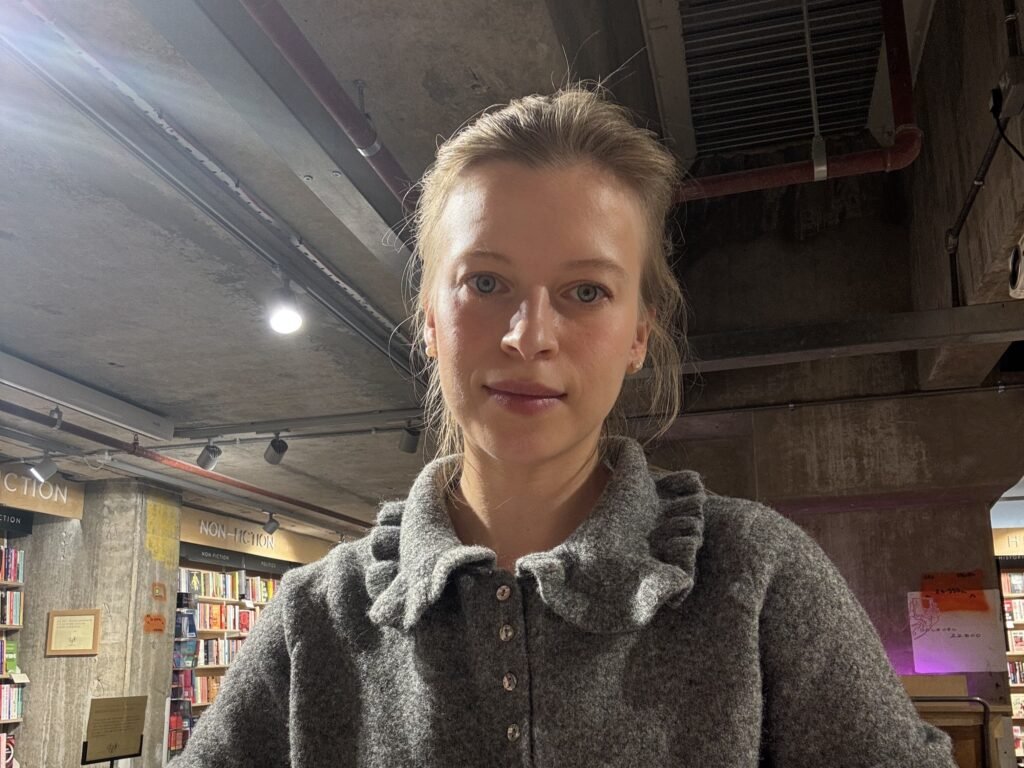
Spent yesterday afternoon at Waterstones Tottenham Court Road, ostensibly browsing the science fiction section but actually solving a structural problem with Project Mirror.
My protagonist has been too sympathetic. She fixes people’s aesthetic glitches with genuine belief that she’s helping, and readers need to understand why that conviction matters. But I’ve been missing the antagonist, the force that makes her worldview dangerous.
I settled into a corner with my tea going cold, scribbling notes between the shelves of Ursula Le Guin and Margaret Atwood. That’s when I realised the villain isn’t a person. It’s the system itself. Aesthetic Dynamics Corp, the company she works for, isn’t evil in an obvious way. They genuinely believe they’re democratising beauty, eliminating the cruelty of genetic lottery. Their mission statements sound noble. Their technology works exactly as advertised.
That’s what makes them terrifying.
I picked up The Dispossessed and thought about Le Guin’s approach to systemic critique. She never needed cartoonish villains because she understood that the most dangerous ideologies are the ones that sound reasonable. The ones that promise to solve real problems whilst quietly eroding something fundamental about being human.
Three pages of frantic notebook scribbling later, I understood. My protagonist needs to discover that Aesthetic Dynamics isn’t malfunctioning. The technology that standardises appearance is working perfectly. It’s the goal itself that’s the problem.
This changes everything about the second half of the book. Instead of fixing a corrupt system, she needs to recognise that a system functioning exactly as designed can still be fundamentally wrong.
I left with three books on techno-utopianism and a notebook full of restructured plot points.
Posted from London, where the best breakthroughs happen over cold tea and borrowed ideas.
— Writer Julia Zolotova
