
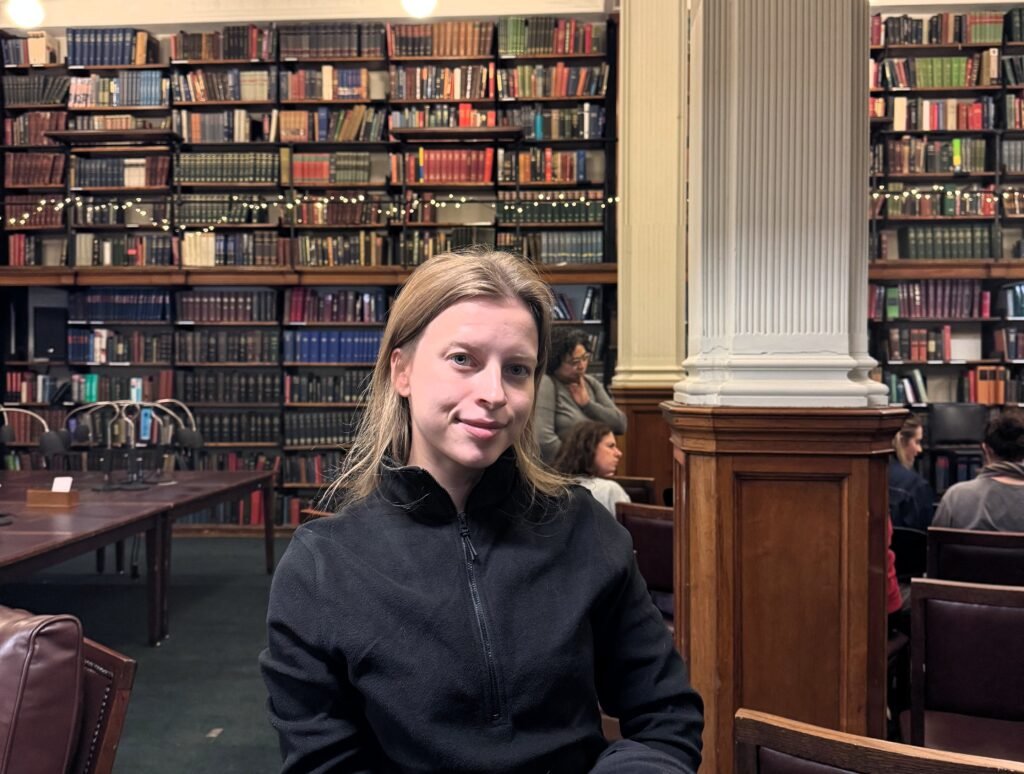
Last night’s event at The London Library reminded me why I write about performance and authenticity. Hallie Rubenhold and Kate Summerscale discussed how misogyny and media sensationalism shaped two infamous British murder cases, and the parallels to our current moment felt unsettling.
Rubenhold’s work on Dr Crippen reframes the story through Belle Elmore’s perspective, moving beyond the tabloid narrative to examine the actual woman who was killed. Summerscale’s investigation of 10 Rillington Place does something similar, mining archives to find the victims’ voices beneath the media spectacle.
What struck me most was their analysis of how these cases became entertainment. The press turned real women’s deaths into consumable content, reducing complex lives to headlines and scandal. The victims became characters in stories designed to titillate rather than inform.
This connects directly to what I’m exploring in Project Mirror. We’ve always constructed narratives about women’s bodies and lives, but technology amplifies the scale and speed. The same impulses that turned Belle Elmore into a tabloid sensation now operate through algorithms and engagement metrics.
Lennie Goodings asked about the persistence of these patterns, and both authors acknowledged how little has changed. We still consume women’s trauma as entertainment, still reduce complex stories to digestible narratives that confirm existing prejudices.
The evening reinforced something I’ve been thinking about whilst writing: who controls the story matters more than the story itself. These historical cases show how power structures determine which voices get heard and which get silenced.
It’s the same dynamic playing out in digital spaces now, just with different tools.
Posted from London, where historical patterns echo louder in library halls.
— Writer Julia Zolotova
